
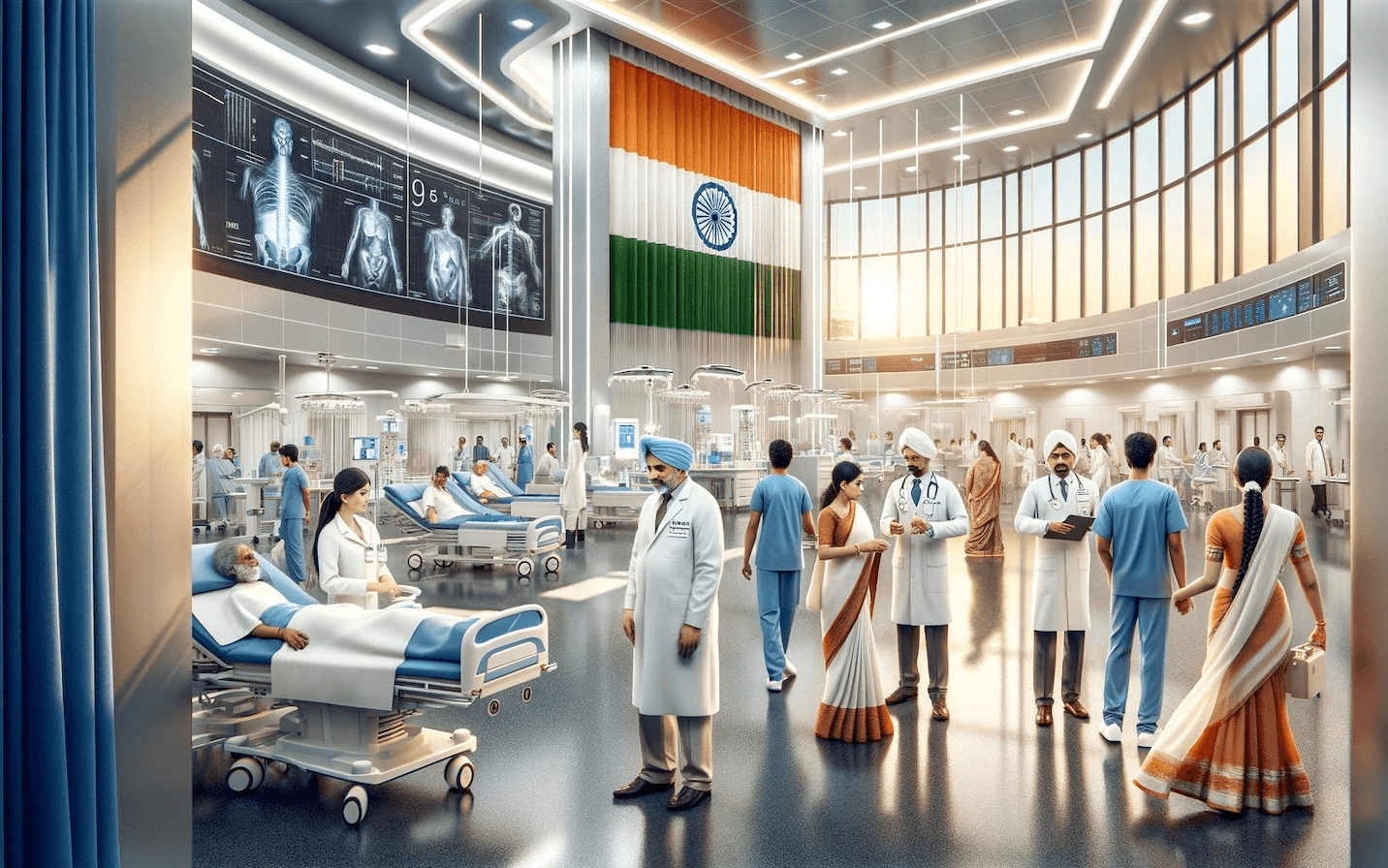
How healthcare in India combines advanced treatment with affordable costs
Top 10 ways healthcare in India offers advanced Treatment at lower costs
India is now a trusted place for medical care. You get modern treatment at a lower cost. Many hospitals use the same tools as top global centers. At the same time, prices stay within reach. This balance makes healthcare in India a smart choice. Doctors are trained and skilled. Hospitals improve each year. You can get care for small issues and serious conditions. The system focuses on saving money while keeping quality strong. That is why many people now choose India for treatment. In this blog, we discuss how Indian healthcare combines advanced treatments with affordable costs.
Healthcare in India stays affordable while using modern methods. This happens because of trained staff and smart systems. Hospitals also use resources well. Here are ten simple ways this works.
1. Highly Skilled Doctors at Lower Consultation Costs
Doctors in India go through strict training. Many also work or study in other countries. You still pay less for their time. This makes expert care easy to access.
- Lower consultation fees than in Western countries
- Access to skilled specialists in big cities
- Many doctors are trained abroad
You get strong medical advice at a fair price. You can also ask for second opinions without stress. This helps you make better health choices.
2. Advanced Technology with Cost Control
Hospitals use modern machines for tests and treatment. You will see MRI machines and robotic tools. Even with this, costs stay lower.
- Use of modern diagnostic tools
- Robotic and keyhole surgeries
- Regular equipment upgrades
Hospitals treat many patients each day. This helps spread costs. You get modern care without high bills.
3. Lower Cost of Medical Procedures
Treatment in India costs much less than in many countries. This includes surgery and hospital care. You can save a lot on major procedures.
- Heart surgeries at lower prices
- Affordable bone and joint care
- Lower-cost cancer treatment
You avoid large loans. You can focus on recovery. It makes long-term care easier for you.
4. Affordable Hospital Stays
Hospital rooms fit different budgets. You can pick basic or private rooms. Even private rooms cost less than in many places.
- Different room types available
- Lower daily charges
- Package deals for treatment
You can manage your total cost better. You still get comfort and care. This keeps your stay simple and stress-free.
5. Strong Network of Private Hospitals
India has many private hospitals with good facilities. These hospitals compete with each other. This helps keep prices fair.
- Large hospital groups in many cities
- Competition keeps prices balanced
- Focus on quality care
You get better service at a fair price. Hospitals work to build trust. This improves your treatment.
6. Short Waiting Time for Treatment
You do not have to wait long for treatment. Hospitals handle many patients daily. This improves speed.
- Quick doctor appointments
- Faster surgery schedules
- Short waiting lists
You save time and money. Delays can increase costs in other places. In India, you get treated faster.
7. Availability of Generic Medicines
India makes many generic medicines. These cost less but work the same as branded ones. This lowers your total cost.
- Low-cost medicine options
- Easy to find in pharmacies
- Approved for safety
You spend less during recovery. This helps in long-term care. It reduces your overall bill. It also makes ongoing treatment easier to manage.
8. Government Support and Policies
The government supports healthcare through programs. These aim to keep treatment affordable. Some prices are controlled.
- Health schemes for people
- Price control on key medicines
- Support for hospital growth
This creates a stable system for you. It improves access to care. It also builds trust in healthcare in India. It helps ensure that more people can afford basic and advanced treatment.
9. Medical Tourism Services
India is a top place for medical travel. Hospitals offer full packages. These include treatment and stay.
- Packages that cover treatment and stay
- Help with travel and booking
- Support for foreign patients
You can plan your care easily. Costs stay clear from the start. Prime Travels helps manage everything. You also get support with documents and local guidance during your stay.
10. Focus on Preventive and Holistic Care
India also supports regular health checks. Doctors guide you on food and daily habits. This helps prevent illness.
- Health check-up packages
- Advice on lifestyle changes
- Use of traditional methods
You stay healthier over time. This lowers future costs. It helps you live better.
Conclusion
Healthcare in India keeps cost and quality in balance. You get skilled doctors and fast care. At the same time, your expenses stay low. This makes it a good choice for many people. The system focuses on access and efficiency. With help from Prime Travels, planning your treatment becomes simple. You save money while getting proper care. That is why healthcare in the Indian region continues to grow.
FAQs
1. Why is healthcare in India more affordable?Costs are lower due to lower labor charges, and use of generic medicines. Hospitals also manage resources efficiently, which helps keep overall expenses low.
2. Is healthcare in India safe and reliable?Yes. Many hospitals follow global standards and have trained doctors. They also follow strict safety rules and quality checks to ensure proper patient care.
3. Can international patients get treatment easily in India?Yes. Hospitals offer support for travel, and treatment plans. Many also have dedicated teams to guide you through each step of the process.
4. Which treatments are common for medical travelers in India?Heart surgery, bone treatments, cancer care, and cosmetic procedures are common. Many patients also choose fertility treatments and organ transplants due to lower costs and good success rates.
5. How much can patients save by choosing healthcare in India?
Patients can save anywhere between 50% to 80% compared to treatment costs in countries like the US, UK, or Europe, depending on the procedure.
6. Do Indian hospitals have international accreditations?
Yes, many hospitals in India are accredited by organizations like Joint Commission International (JCI) and National Accreditation Board for Hospitals & Healthcare Providers (NABH).
7. Is language a barrier for international patients in India?
No, most doctors and hospital staff in India speak English fluently, making communication easy for global patients.
8. How long does it take to plan a medical trip to India?
With proper coordination, treatment trips can often be planned within 1–2 weeks, including visa and appointment scheduling.
9. Are follow-up consultations available after returning home?
Yes, many hospitals provide online follow-ups and teleconsultation services for international patients.
10. What kind of visa is required for medical treatment in India?
Patients need a Medical Visa issued by the Government of India, which is specifically designed for those seeking treatment. Prime Air Global will assist and facilitate the visa documentation.
11. Are there hidden costs involved in treatment packages?
Reputed hospitals provide transparent pricing, but patients should always confirm inclusions like diagnostics, stay, and medications in advance.
12. Is India suitable for long-term treatments like cancer care?
Yes, India offers comprehensive cancer care with cost-effective long-term treatment plans and support services.